Address:
Jl. Kebo Iwa II Gg. Batu Sunia, Padangsambian Kaja, Kota Denpasar
Working Hours:
Monday–Friday: 8:00 AM – 5:00 PM
Saturday–Sunday: 8:00 AM – 3:00 PM


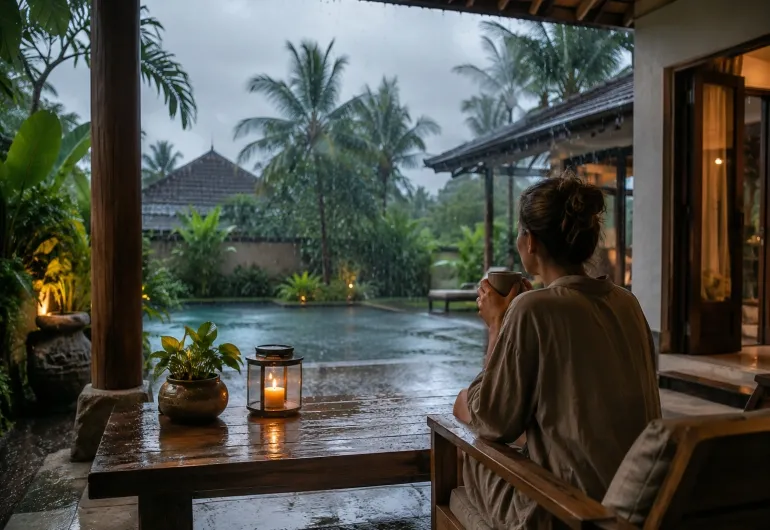
Bali's rainy season brings more than afternoon showers. Discover seven common changes around your home—from humidity and mosquitoes to garden growth and maintenance—and learn how to stay comfortable throughout the wet season.
Bali’s Rainy Season Is More Than Just Rain
If this is your first rainy season in Bali, you may expect little more than afternoon showers and greener landscapes. While that’s certainly part of the experience, you’ll quickly discover that the rainy season changes far more than the weather.
A tropical downpour can transform the way your home feels almost overnight. Clothes take longer to dry, indoor humidity rises, gardens grow faster than expected, and small maintenance issues that went unnoticed during the dry season often become impossible to ignore. You may also notice more mosquitoes at dusk, geckos hunting around outdoor lights, or the occasional cockroach appearing after heavy rain.
None of these changes are unusual. In fact, they’re a normal part of living in a tropical environment where warmth and moisture create ideal conditions for both plants and wildlife.
The good news is that most rainy-season challenges are predictable. Once you understand what changes around your home—and why—it becomes much easier to keep your property comfortable, well maintained, and ready for whatever the weather brings.
In this guide, we’ll explore seven common changes many homeowners, expats, and long-term visitors experience during Bali’s rainy season, along with simple ways to prepare for them.
One of the first things many newcomers notice during Bali’s rainy season isn’t the rain—it’s the humidity.
Even on days without heavy showers, the air often feels warmer and more saturated with moisture. Inside your home, this can make rooms feel less fresh, especially if they’re not well ventilated.
You’ll probably notice small changes in your daily routine. Freshly washed clothes may take much longer to dry, towels can stay damp for hours, and bed linens may not feel as crisp as they do during the dry season. Leather shoes, wooden furniture, and books stored in closed cupboards can also absorb moisture if left unchecked.
Most homes adapt well to Bali’s tropical climate with simple habits. Opening windows when the weather allows, using ceiling fans or air conditioning to improve airflow, and avoiding piles of damp laundry indoors can all help reduce excess humidity.
Humidity itself isn’t the problem—it’s prolonged moisture without proper ventilation that creates the perfect environment for unwanted issues later on.
Rain doesn’t create mosquitoes overnight, but it does create more opportunities for them to breed.
After heavy rainfall, small amounts of standing water can collect in places that are easy to overlook. Flower pot saucers, blocked gutters, buckets, and even children’s toys left outside can hold enough water for mosquitoes to lay their eggs.
This is why mosquito activity often increases during the rainy season, particularly around sunrise and after sunset.
Fortunately, a noticeable increase in mosquitoes doesn’t necessarily mean your home has a serious problem. Regularly checking your garden, emptying containers that collect rainwater, and keeping drains clear can significantly reduce breeding sites around your property.
If you’re interested in learning more about the different mosquito species found on the island and why their behavior varies, you can also read our guide to The Most Common Mosquitoes in Bali and Why They Matter.
One of the best parts of Bali’s rainy season is how quickly the island becomes lush and vibrant.
Lawns become greener, tropical plants thrive, and flowers bloom more frequently. However, rapid growth also means gardens require more attention than they do during the dry season.
Overgrown shrubs, fallen leaves, and dense vegetation can trap moisture and reduce airflow around your home. Besides making outdoor spaces feel untidy, these conditions can also provide shelter for insects and other small wildlife.
Simple maintenance goes a long way. Regular pruning, removing fallen leaves, and keeping grass trimmed not only improves the appearance of your property but also helps reduce areas where moisture can linger after rain.
A healthy tropical garden is one of the joys of living in Bali—it simply needs a little more care during the wet season than many newcomers expect.
The rainy season has a way of revealing problems that stayed hidden during the dry months.
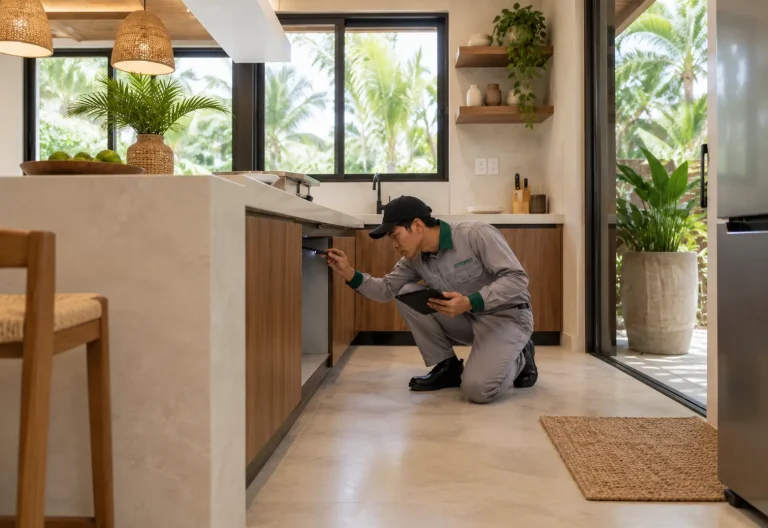
A tiny roof leak can suddenly leave water stains on the ceiling. Gutters that seemed fine a few weeks ago may overflow during a heavy downpour. Poor drainage becomes noticeable as puddles linger around the property, while outdoor furniture and wooden decks stay damp for longer.
Most of these issues don’t appear because the rainy season damages your home—they appear because rain puts your home to the test.
That’s why many long-term residents treat the beginning of the wet season as a reminder to inspect their property. Cleaning gutters, checking roof tiles, clearing outdoor drains, and trimming branches that touch the roof can prevent small problems from becoming expensive repairs later.
Routine maintenance is simply part of owning or renting a home in a tropical climate.
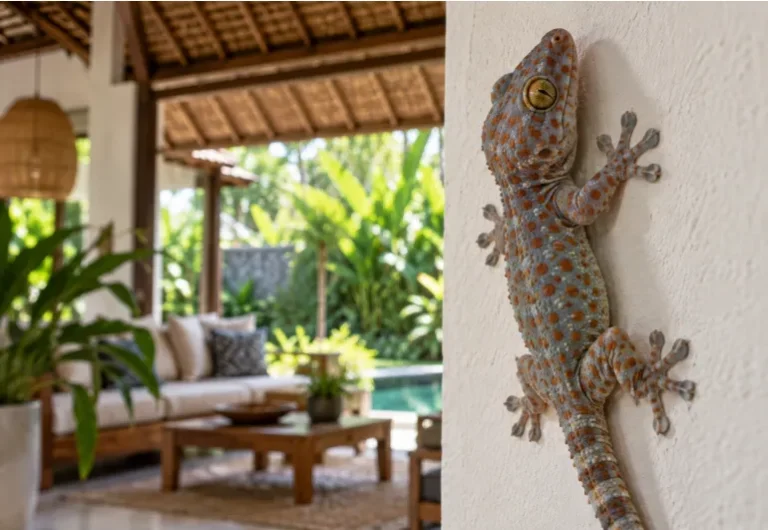
Many newcomers are surprised when they start seeing more geckos around their home after periods of heavy rain.
In reality, the geckos aren’t necessarily multiplying—they’re following their food.
As mosquito populations and other flying insects increase during the rainy season, geckos become more visible as they hunt around lights, windows, patios, and outdoor walls. This is one reason they’re often spotted in the evening when insects gather around illuminated areas.
Although their appearance may startle some people, geckos are generally considered harmless and play a helpful role in controlling insect populations naturally.
If you’ve ever wondered why geckos suddenly seem to appear everywhere during certain times of the year, it’s usually a sign that the surrounding environment has become more active—not that your home has developed a gecko problem.
For a closer look at why geckos are so common in tropical homes, read our guide to Geckos in Bali House: Why They Appear, What They Mean, and When You Should Be Concerned.
Humidity alone doesn’t cause mold.
The real problem begins when moisture remains trapped in places with poor ventilation.
Bathrooms, wardrobes, storage rooms, and corners that receive little sunlight are often the first places where mold starts to develop. You may notice a musty smell before you see any visible signs, especially after several weeks of frequent rain.
Fortunately, preventing mold is usually easier than removing it.
Keeping rooms well ventilated, drying wet surfaces promptly, avoiding the storage of damp clothing, and occasionally opening cupboards to improve air circulation can all help reduce excess moisture.
Many homes in Bali experience some level of mold during the rainy season, so early prevention is far more effective than waiting until it becomes difficult to clean.
Property Care Tip
Walk around your home after the first heavy rain of the season.
It’s one of the easiest ways to spot blocked gutters, standing water, roof leaks, poor drainage, or damp areas before they become bigger problems.
For many people, the first rainy season in Bali requires a small adjustment.
You start carrying a light rain jacket before leaving home. Laundry is planned around the weather forecast. Outdoor activities shift to the morning, while afternoons become a good excuse to enjoy a coffee, work from home, or simply watch the rain from the terrace.
After a while, these habits become second nature.
Rather than seeing the rainy season as an inconvenience, many long-term residents appreciate the cooler temperatures, greener landscapes, and quieter atmosphere that arrive with it. Waterfalls are at their most impressive, rice terraces become vibrant again, and the island feels fresh after months of dry weather.
Living comfortably through Bali’s rainy season isn’t about avoiding the rain—it’s about understanding how a tropical environment works and making small adjustments that keep your home and daily routine running smoothly.
Bali’s rainy season brings more than occasional afternoon showers. It changes the way your home feels, how your garden grows, and how you approach everyday maintenance.
From higher humidity and faster-growing gardens to increased mosquito activity and the occasional gecko on the wall, these changes are all part of living in a tropical environment. Most are predictable, and with a little preparation, they’re easy to manage.
Instead of viewing the rainy season as something to endure, think of it as a reminder to pay a little more attention to your home. Simple habits—like checking gutters, improving ventilation, removing standing water, and maintaining your garden—can make a noticeable difference in comfort throughout the wet season.
The rainy season doesn’t create problems overnight. More often, it reveals the areas of your home that simply need a little extra care.
The rainy season typically runs from November to March, although occasional showers may begin earlier or continue into April depending on yearly weather patterns.
Not usually. Rain often falls as short but heavy showers, especially in the afternoon or evening. Many mornings remain warm, bright, and suitable for outdoor activities.
They often become more noticeable because rain creates additional breeding opportunities. Removing standing water around your home is one of the most effective ways to reduce mosquito activity.
Geckos follow their food source. As mosquitoes and other insects become more active during the rainy season, geckos are more likely to be seen hunting around lights and outdoor walls.
Mold is a common issue in tropical climates, especially in poorly ventilated spaces. Good airflow, regular cleaning, and reducing excess moisture can help prevent it from developing.
Not at all. Many residents enjoy the rainy season because the island becomes greener, temperatures feel slightly cooler, and popular destinations are often less crowded. With a few simple adjustments, it’s an enjoyable time to experience everyday life in Bali.