Address:
Jl. Kebo Iwa II Gg. Batu Sunia, Padangsambian Kaja, Kota Denpasar
Working Hours:
Monday–Friday: 8:00 AM – 5:00 PM
Saturday–Sunday: 8:00 AM – 3:00 PM



Planning to live in Bali or rent a villa? Learn why mosquitoes are common in tropical environments, what makes some properties more comfortable than others, and practical ways to reduce mosquito activity around your home.
Moving to Bali means embracing tropical living, beautiful gardens, open-air spaces, and warm evenings. It also means understanding why mosquitoes are more active here and how simple habits, together with professional mosquito management when needed, can help you enjoy your property more comfortably.
One of the first things many people notice after moving to Bali isn’t the weather or the traffic—it’s the mosquitoes.
Whether you’re enjoying breakfast on a villa terrace, relaxing beside the pool at sunset, or dining in an open-air restaurant, you’ll probably encounter mosquitoes from time to time. For newcomers, this can be surprising, especially if they’re used to spending evenings outdoors without thinking about insect bites.
The reassuring news is that occasional mosquitoes are simply part of living in a tropical environment. Their presence doesn’t automatically mean a property is poorly maintained or that something is wrong. In fact, even luxury villas, boutique hotels, and carefully landscaped homes can experience mosquito activity because the same tropical conditions that make Bali so beautiful also support mosquito populations throughout the year.
The goal isn’t to eliminate every mosquito—that simply isn’t realistic in a tropical climate. Instead, successful properties focus on reducing mosquito activity to a level where outdoor spaces remain comfortable for residents and guests.
Bali’s warm temperatures, high humidity, and regular rainfall create an environment where mosquitoes can remain active in every season. Unlike colder climates, where mosquito populations decline significantly during winter, tropical conditions allow mosquitoes to breed whenever suitable water sources are available.
Many of the features that make Bali attractive also create ideal mosquito habitats. Tropical gardens, lush vegetation, rice fields, rivers, decorative ponds, and outdoor living spaces all contribute to the island’s unique character—but they can also provide resting places and breeding opportunities if standing water is present nearby.
This is why seeing mosquitoes in Bali is generally considered normal. The real difference between one property and another is often not whether mosquitoes exist, but how well the surrounding environment is managed.
One question we hear surprisingly often is:
“My friend’s villa hardly has any mosquitoes, but mine does. Why?”
While no property in Bali is completely free from mosquitoes, the level of mosquito activity can vary significantly—even between neighbouring villas.
In our experience, the difference is usually not the building itself, but the surrounding environment and how the property is maintained. Mosquitoes are constantly searching for suitable places to rest, breed, and find hosts. Small differences around a property can have a surprisingly large impact.
Some of the most common conditions include:
Even one overlooked breeding site can support hundreds of mosquitoes over time.
Many people assume that mosquitoes only become a problem when a property is dirty. In reality, that’s rarely the case.
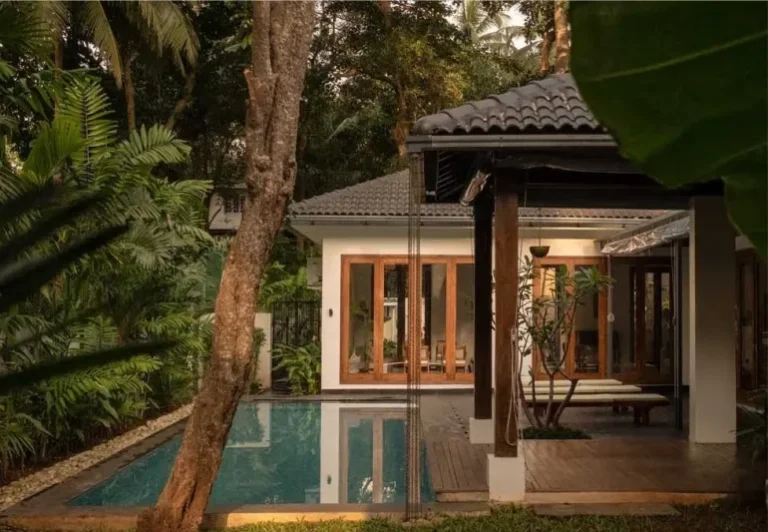
A beautifully maintained villa with an infinity pool, landscaped gardens, and daily housekeeping can still experience mosquito activity if standing water collects in hidden places or if nearby breeding sites remain unmanaged.
Likewise, a modest home with good drainage, regular garden maintenance, and careful attention to water containers may experience far fewer mosquitoes than expected.
In other words, mosquito activity is influenced far more by environmental conditions than by how luxurious or expensive a property is.
One of the encouraging things about mosquito management is that significant improvements often come from relatively simple actions.
Regularly emptying containers that collect rainwater, cleaning roof gutters, maintaining swimming pools and ponds, trimming dense vegetation, and improving drainage can all help reduce mosquito breeding opportunities.
When these simple measures are combined with professional mosquito control where appropriate, outdoor spaces often become noticeably more comfortable for both residents and guests.
Many people assume that mosquitoes are simply unavoidable in Bali. While it’s true that tropical environments naturally support mosquito populations, that doesn’t mean frequent mosquito bites should be accepted as part of everyday life.
If you’ve ever stayed at a well-managed hotel or premium villa and noticed very few mosquitoes, it probably wasn’t just good luck.
In most cases, mosquito control is part of the property’s routine maintenance. Rather than waiting until mosquitoes become a problem, many hospitality businesses take preventive steps throughout the year to keep outdoor spaces comfortable for guests.
Successful mosquito management rarely depends on a single treatment.
Instead, it usually involves a combination of simple but consistent practices, such as:
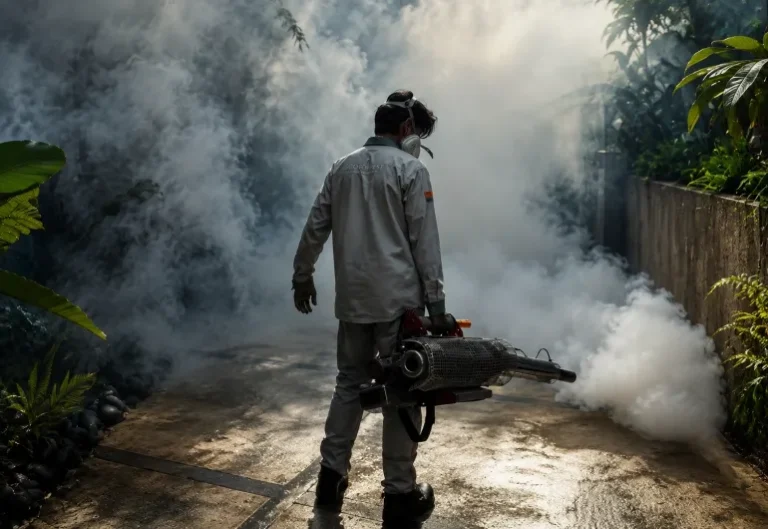
This proactive approach often produces better long-term results than relying only on sprays or fogging after mosquitoes have already become abundant.
Whether you’re renting a villa, managing a guesthouse, or living in your own home, you don’t need to make dramatic changes to enjoy your outdoor spaces more comfortably.
A few simple habits can make a meaningful difference:
These small maintenance routines not only help reduce mosquito activity but also make your property a less attractive environment for mosquitoes over time.
If mosquitoes continue to interfere with your daily activities despite regular maintenance, it may be time to investigate the cause more closely.
Frequent mosquito bites around the pool, persistent mosquito activity in outdoor dining areas, or repeated complaints from guests may indicate that breeding sites exist either on your property or in the surrounding environment.
A professional inspection can help identify these conditions and recommend practical solutions that go beyond temporary mosquito reduction.
Rather than treating only the mosquitoes you can see, the goal is to understand why they’re there in the first place.
One of the reasons so many people choose to live in Bali is the lifestyle. Open-air living, lush tropical gardens, warm evenings, and time spent outdoors are all part of what makes the island special.
Mosquitoes are simply one aspect of that tropical environment. While occasional mosquito activity is normal, persistent mosquito problems don’t have to be.
With good property maintenance, regular inspections, and practical mosquito prevention, it’s possible to enjoy outdoor spaces much more comfortably throughout the year. Many of Bali’s best-managed homes, villas, hotels, and restaurants achieve this not because they eliminate nature, but because they actively manage the conditions that allow mosquitoes to thrive.
If you’re experiencing recurring mosquito activity around your home, villa, hotel, restaurant, or commercial property, understanding the source of the problem is often the first step towards finding an effective solution.
EcoforPest provides professional mosquito control services across Bali, combining property inspections, breeding site assessments, targeted treatments, and practical prevention strategies tailored to your property’s environment.
→ Learn more about our Professional Mosquito Control & Fogging in Bali