Address:
Jl. Kebo Iwa II Gg. Batu Sunia, Padangsambian Kaja, Kota Denpasar
Working Hours:
Monday–Friday: 8:00 AM – 5:00 PM
Saturday–Sunday: 8:00 AM – 3:00 PM


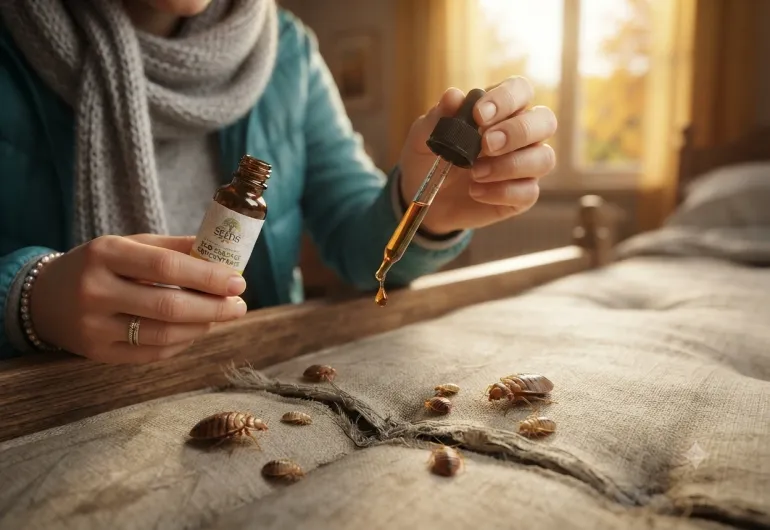
Learn which natural bed bug treatments actually work and which common home remedies are unlikely to solve an infestation. This guide explains effective non-chemical methods, common DIY mistakes, and when professional bed bug treatment becomes the best solution.
 ByAriastra
Discovering bed bugs in your home can be overwhelming. Your first instinct may be to search for a natural remedy that promises to solve the problem quickly, cheaply, and without chemicals.
The internet is full of DIY advice. You’ll find suggestions ranging from vinegar and baking soda to essential oils and herbal sprays. While some of these methods may help reduce bed bug activity, many simply don’t work as advertised.
The good news is that several non-chemical approaches have been proven to play an important role in bed bug control. Heat, steam, careful cleaning, and regular inspections can significantly reduce bed bug populations when used correctly. However, it’s equally important to understand their limitations.
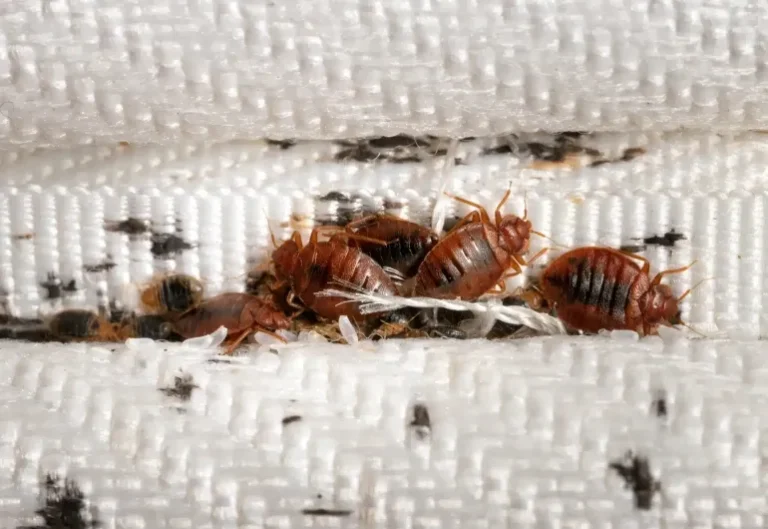
Bed bugs are exceptionally resilient insects. They hide deep inside furniture, behind walls, and in tiny cracks that are difficult to access. Killing the insects you can see is rarely enough if eggs and hidden harborages remain untouched.
This guide explains which natural methods are genuinely effective, which popular home remedies lack scientific support, and how to know when professional treatment becomes the better option.
Many homeowners hesitate to use insecticides indoors, especially when children, elderly family members, or pets are living in the home.
Others simply want to avoid unnecessary chemical exposure or try solving the problem themselves before calling a pest control company.
Common reasons people choose natural methods include:
These reasons are understandable. In fact, professional bed bug management often includes non-chemical techniques alongside targeted treatments.
The key difference is that experienced technicians know which methods have been shown to work and which are unlikely to eliminate an infestation on their own.
Read our guide: Signs of Bed Bugs: How to Identify an Infestation Early
The honest answer is:
Sometimes—but it depends on the size of the infestation.
Early infestations affecting a small area may sometimes be controlled using a combination of thorough cleaning, heat, steam, laundering, and ongoing monitoring.
However, once bed bugs spread into multiple rooms, furniture, wall voids, or neighboring units, natural methods alone are much less likely to eliminate every insect and egg.
One of the biggest challenges is reproduction.
A single surviving female can lay hundreds of eggs during her lifetime. Even if most adults are removed, hidden eggs may hatch over the following weeks and restart the infestation.
This is why successful bed bug management usually combines several control methods rather than relying on a single solution.
Think of natural treatments as part of a larger strategy—not a miracle cure.
Not every DIY recommendation found online is supported by evidence. Fortunately, several non-chemical methods are widely recognized by pest management professionals because they target bed bugs in ways that are difficult for the insects to resist.
The following approaches won’t always solve a serious infestation by themselves, but they can play an important role in reducing bed bug numbers and supporting professional treatment.
Bed bugs are highly sensitive to high temperatures.
Unlike chemical treatments, heat kills insects by damaging their cells rather than poisoning them. This means bed bugs cannot develop resistance to heat in the same way they can become resistant to certain insecticides.
High temperatures can eliminate:
This makes heat one of the most reliable non-chemical control methods available.
For household items, heat can be applied by:
It’s important to note that household hair dryers usually do not produce consistent temperatures capable of reaching bed bugs hiding deep inside furniture or wall voids.
Professional heat treatments use specialized equipment that heats an entire room evenly, ensuring bed bugs cannot simply escape to cooler areas.
Laundry is often one of the first recommendations given after discovering bed bugs—and for good reason.
Bed bugs frequently hide in:
When laundering infested fabrics:
Drying at high heat is generally more important than washing alone because sustained heat is what kills bed bugs and their eggs.
Simply washing clothes in cold or lukewarm water may not eliminate every life stage.
Steam treatment is another highly effective non-chemical option because it combines heat with the ability to penetrate fabric seams and narrow crevices.
Steam can be used on:
Unlike insecticide sprays, steam leaves no chemical residue and can kill bed bugs on contact when applied correctly.
However, steam should be used carefully.
Moving the steamer too quickly may prevent enough heat from reaching the insects. On the other hand, excessive moisture can damage certain furniture materials or encourage mold if surfaces remain damp.
For this reason, many pest management professionals use commercial-grade steamers designed specifically for pest control applications.
Vacuuming won’t eliminate an infestation, but it can significantly reduce the number of visible bed bugs before treatment begins.
Pay special attention to:
Use a crevice attachment whenever possible to reach narrow hiding places.
After vacuuming:
Skipping this final step may accidentally spread bed bugs to other areas of the home.
Vacuuming is most effective when combined with steam treatment, laundering, and regular inspections.
Clutter doesn’t attract bed bugs—but it does provide countless hiding places.
Stacks of clothing, cardboard boxes, books, and stored belongings make inspections more difficult and create additional spaces where bed bugs can remain undetected.
Reducing clutter helps by:
There’s no need to throw everything away. Instead, organize belongings into sealed plastic containers or bags until the infestation has been resolved.
Avoid moving items into other rooms unless they have been carefully inspected or treated, as this may spread bed bugs throughout the property.
A mattress encasement is a specially designed protective cover that completely seals the mattress.
Although encasements do not kill bed bugs directly, they provide several important benefits:
For best results, choose encasements specifically labeled for bed bug protection and ensure they remain fully sealed.
Mattress encasements work best as part of an integrated management plan rather than as a standalone solution.
By combining heat, steam, laundering, vacuuming, clutter reduction, and mattress encasements, many homeowners can significantly reduce bed bug activity while preventing the infestation from becoming worse.
In the next section, we’ll examine some of the most popular home remedies—such as vinegar, baking soda, essential oils, and alcohol sprays—and explain why many of them fail to eliminate bed bugs despite their popularity online.
The internet is filled with DIY bed bug solutions that promise fast results using common household products. While some of these remedies may kill a few bed bugs on direct contact or temporarily repel them, there is little evidence that they can eliminate an entire infestation on their own.
Understanding the limitations of these methods can help you avoid wasting valuable time while the infestation continues to grow.
White vinegar is one of the most commonly suggested home remedies for bed bugs.
Because vinegar contains acetic acid, it may kill some bed bugs if sprayed directly onto them. However, it has significant limitations:
Since most bed bugs spend the day hidden inside furniture or wall voids, spraying vinegar on visible surfaces is unlikely to solve the problem.
Verdict: May kill individual bed bugs on contact but will not eliminate an infestation.
One popular internet myth claims that baking soda dries out bed bugs and causes them to die.
However, there is no reliable scientific evidence supporting this claim.
Sprinkling baking soda around a mattress or room does not reach hidden bed bugs, and it has not been shown to eliminate eggs or established infestations.
In most cases, the powder simply creates additional cleaning without providing meaningful control.
Verdict: Not recommended as a primary bed bug treatment.
Tea tree oil, lavender oil, peppermint oil, eucalyptus oil, and other essential oils are frequently promoted as natural bed bug repellents.
Some laboratory studies suggest that certain essential oils may repel or kill bed bugs under controlled conditions. However, laboratory results do not necessarily translate to real-world infestations.
In a home or hotel environment:
Essential oils may reduce activity temporarily, but they should not be relied upon as a complete treatment.
Verdict: Limited short-term benefit, but not a reliable solution for established infestations.
Spraying rubbing alcohol directly onto bed bugs can kill some insects on contact because it evaporates quickly and damages their outer coating.
However, this method has major drawbacks:
Because of these risks, many pest management professionals discourage using alcohol as a DIY treatment.
Verdict: Limited effectiveness and potential safety concerns.
Ultrasonic devices claim to repel pests using high-frequency sound waves.
Despite their popularity, there is no convincing evidence that ultrasonic repellents effectively control bed bugs in homes or hotels.
Bed bugs rely primarily on body heat, carbon dioxide, and other environmental cues—not sound—to locate their hosts.
Verdict: Not recommended for bed bug control.
Even effective natural methods can fail if they’re used incorrectly.
Some of the most common mistakes include:
Many people assume the mattress is the source of the infestation.
In reality, bed bugs are often hiding in bed frames, furniture, baseboards, or nearby cracks. Disposing of a mattress without treating the surrounding areas rarely solves the problem and may spread bed bugs while moving the mattress.
If bed bugs have already spread, focusing on a single bedroom allows surviving insects to continue reproducing elsewhere.
A complete inspection of adjacent rooms is often necessary.
Mixing multiple sprays, powders, and home remedies can make professional treatment more difficult later.
Some products may even cause bed bugs to scatter deeper into walls or neighboring rooms.
Perhaps the biggest mistake is hoping the infestation will disappear on its own.
Bed bugs reproduce continuously, and delaying treatment often results in:
Early action is almost always the most cost-effective approach.
Natural methods are most successful when:
However, professional assistance is usually recommended when:
Professional pest management programs combine inspection, monitoring, targeted treatments, and follow-up visits to address every stage of the bed bug life cycle.
Read our guide: Integrated Pest Management (IPM) in Bali: A Practical Guide for Property Owners
Preventing bed bugs is much easier than eliminating a well-established infestation.
Simple habits can greatly reduce your risk:
Regular inspections are especially important for hotels, hostels, guesthouses, and short-term rental properties where guest turnover is frequent.
No. Without treatment, bed bug populations generally continue to grow as they reproduce.
Heat is widely considered the most effective non-chemical method. Washing, high-heat drying, steam treatment, vacuuming, and mattress encasements can all play an important role in managing infestations.
Small infestations may sometimes be controlled using non-chemical methods alone, but larger or established infestations often require professional intervention.
It depends on the size of the infestation and how consistently control measures are applied. Even with effective methods, complete elimination often requires patience, repeated inspections, and ongoing monitoring.
Not necessarily. In many cases, mattresses can be successfully treated and protected with a quality bed bug encasement as part of a comprehensive treatment plan.
Natural bed bug treatments can be valuable, but it’s important to have realistic expectations.
Methods such as heat, steam, laundering, vacuuming, clutter reduction, and mattress encasements are supported by practical experience and can significantly reduce bed bug populations. However, they work best when used together rather than in isolation.
On the other hand, popular remedies like vinegar, baking soda, essential oils, alcohol sprays, and ultrasonic devices are unlikely to eliminate an established infestation on their own.
If bed bugs continue to appear despite your efforts—or if the infestation has spread beyond a single room—professional treatment is usually the fastest and most reliable solution.
The sooner the problem is addressed, the easier it is to prevent bed bugs from spreading further and becoming more difficult to control.