Address:
Jl. Kebo Iwa II Gg. Batu Sunia, Padangsambian Kaja, Kota Denpasar
Working Hours:
Monday–Friday: 8:00 AM – 5:00 PM
Saturday–Sunday: 8:00 AM – 3:00 PM



Not all mosquitoes in Bali are the same. Learn how to identify the three most common mosquito groups—Aedes, Culex, and Anopheles—and understand where they breed, when they're most active, and why they matter for your health and property.
Not All Mosquitoes in Bali Are the Same
To most people, a mosquito is simply a mosquito. But in Bali, several mosquito species live side by side, and each behaves differently.
Some are most active during the day, while others bite after sunset. Some prefer breeding in clean water around homes, while others are more commonly found near drains, rice fields, or natural wetlands. More importantly, different species are associated with different mosquito-borne diseases.
For homeowners, villa managers, and long-term visitors, understanding these differences isn’t about becoming an insect expert. It’s about knowing why mosquitoes appear, recognizing where they are most likely to breed, and taking the right steps to reduce their numbers.
This guide introduces the three mosquito groups you’re most likely to encounter in Bali—Aedes, Culex, and Anopheles—and explains why knowing the difference can help you better protect both your home and your health.
Knowing which mosquito you’re dealing with isn’t just an interesting fact—it can help you understand when mosquitoes are most active, where they are likely to breed, and what health risks they may pose.
For example, the mosquito responsible for spreading dengue fever behaves very differently from the one commonly found around rice fields or drainage systems. Some species are active during the day, while others prefer feeding after sunset. They also choose different breeding habitats, meaning the most effective prevention strategies can vary depending on the species.
Fortunately, you don’t need to identify every mosquito you see. Most mosquitoes encountered in Bali belong to three major groups: Aedes, Culex, and Anopheles. Learning their basic characteristics makes it easier to understand why mosquitoes appear around your home and how to reduce the conditions that allow them to thrive.
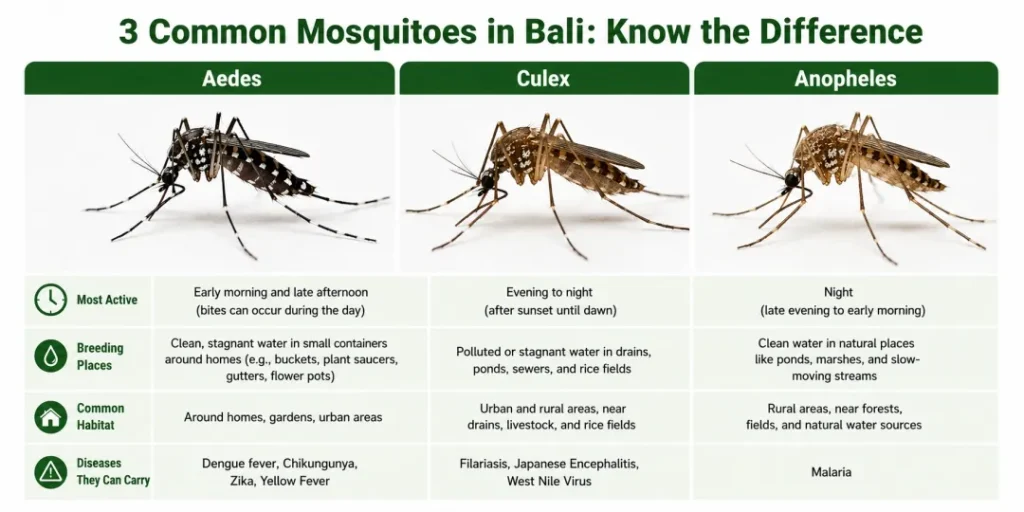
Although Bali is home to many mosquito species, most people will encounter just three major groups. Each has its own appearance, preferred habitat, activity pattern, and public health importance.
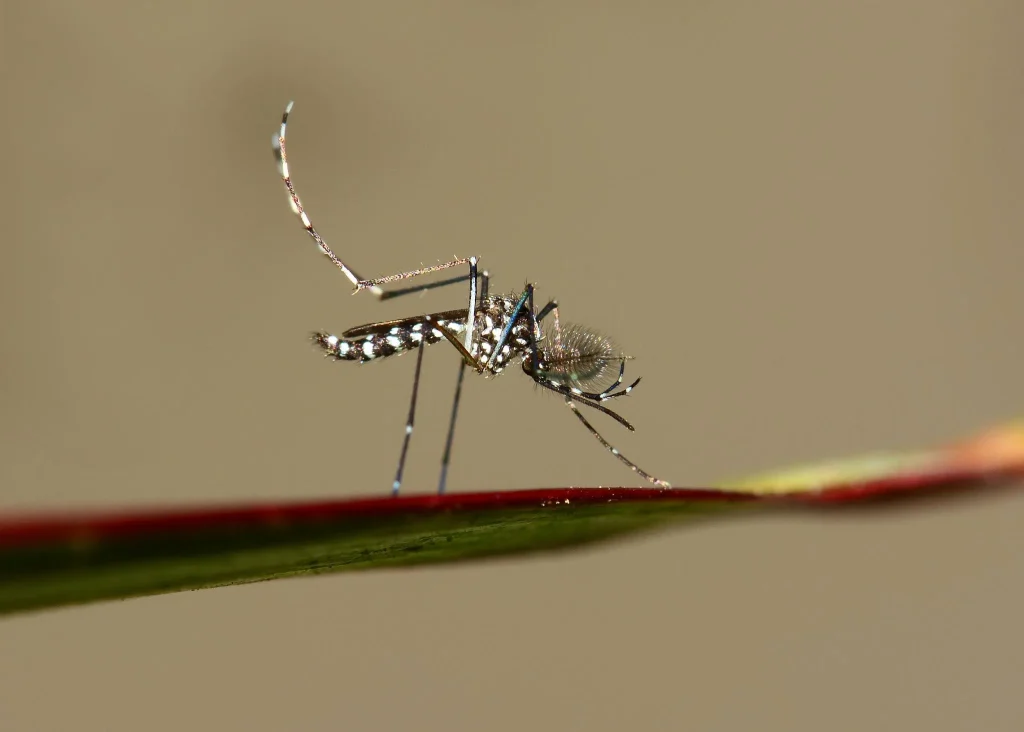
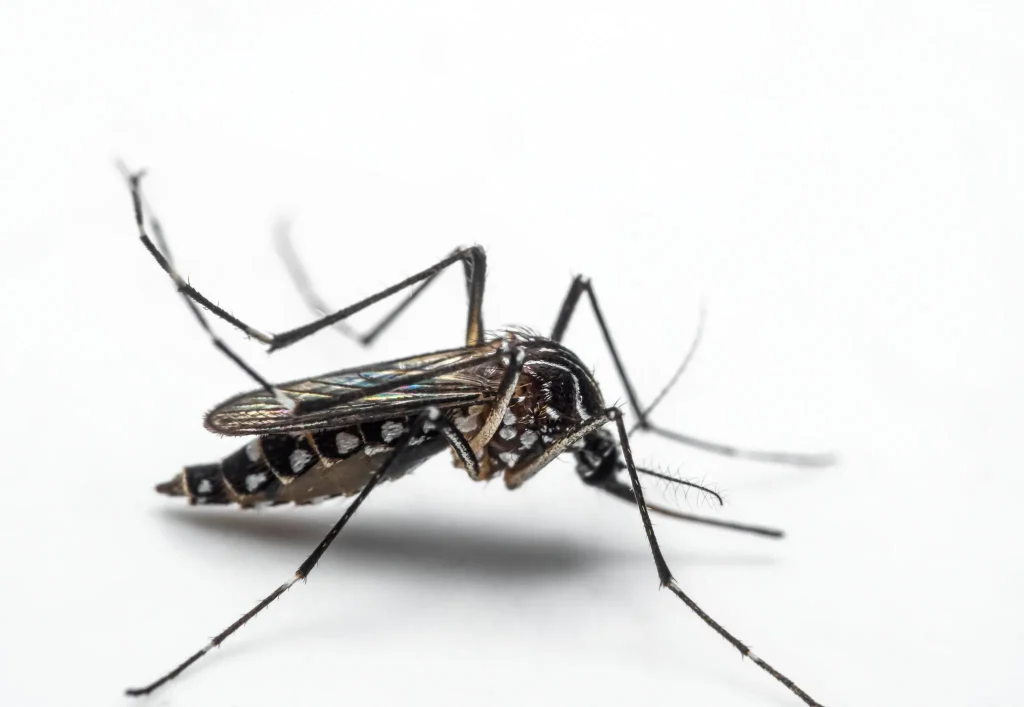
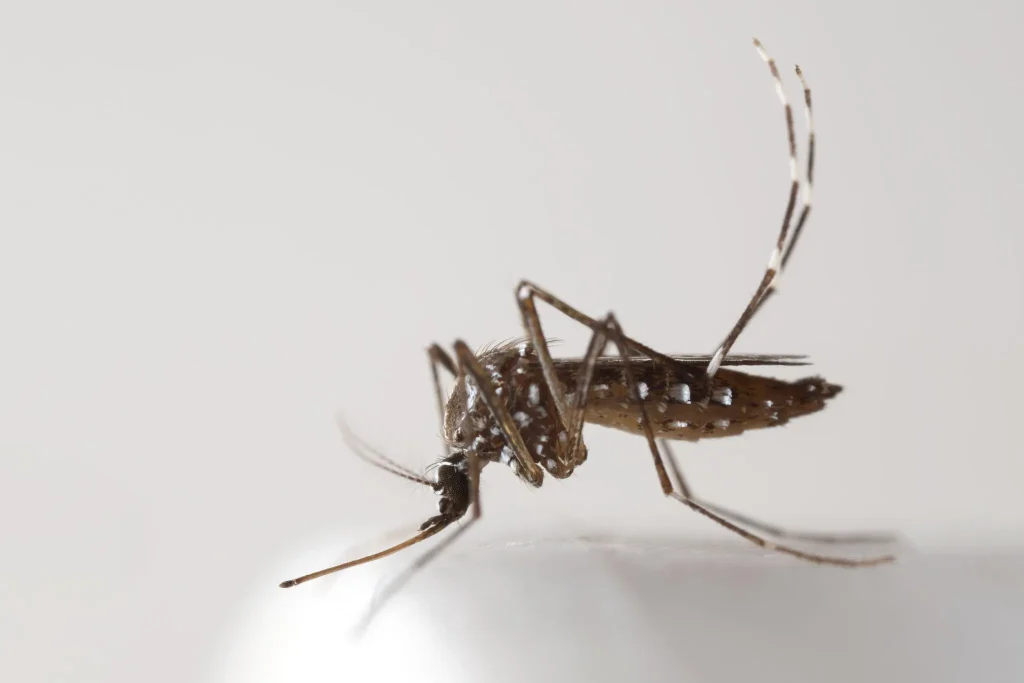
Often called the tiger mosquito, Aedes is easy to recognize by its black body marked with distinctive white stripes on its legs and thorax.
This is the mosquito most closely associated with dengue fever, making it one of the most important species for residents and visitors in Bali.
Key characteristics:
Unlike many mosquitoes that become active after dark, Aedes often bites during daylight hours. This explains why people can still be bitten while relaxing by the pool, having breakfast on a terrace, or gardening in the morning.
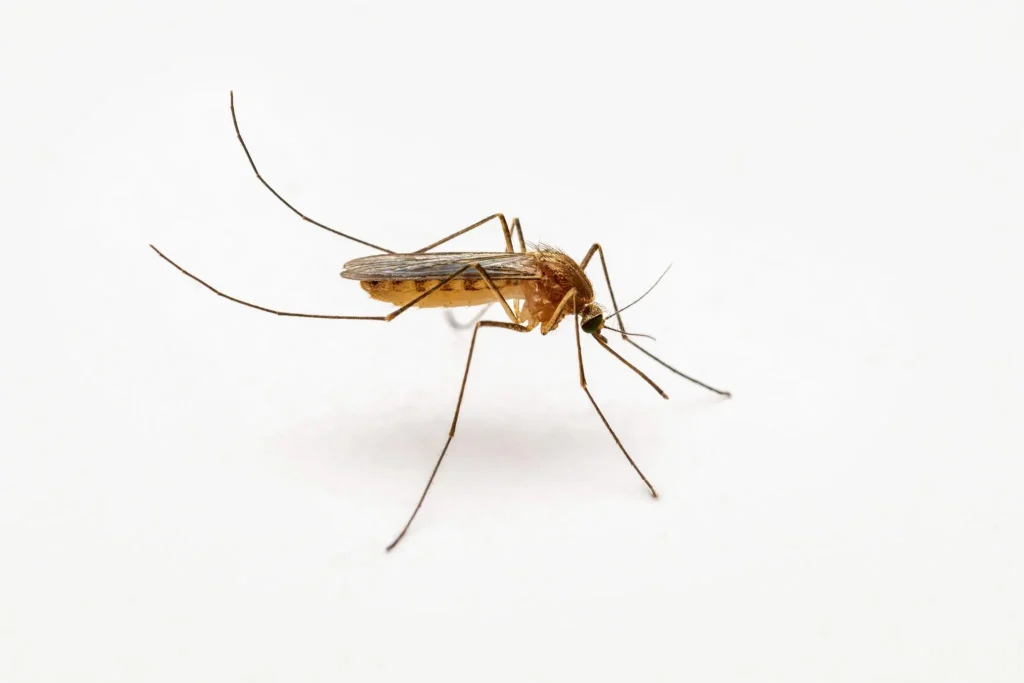
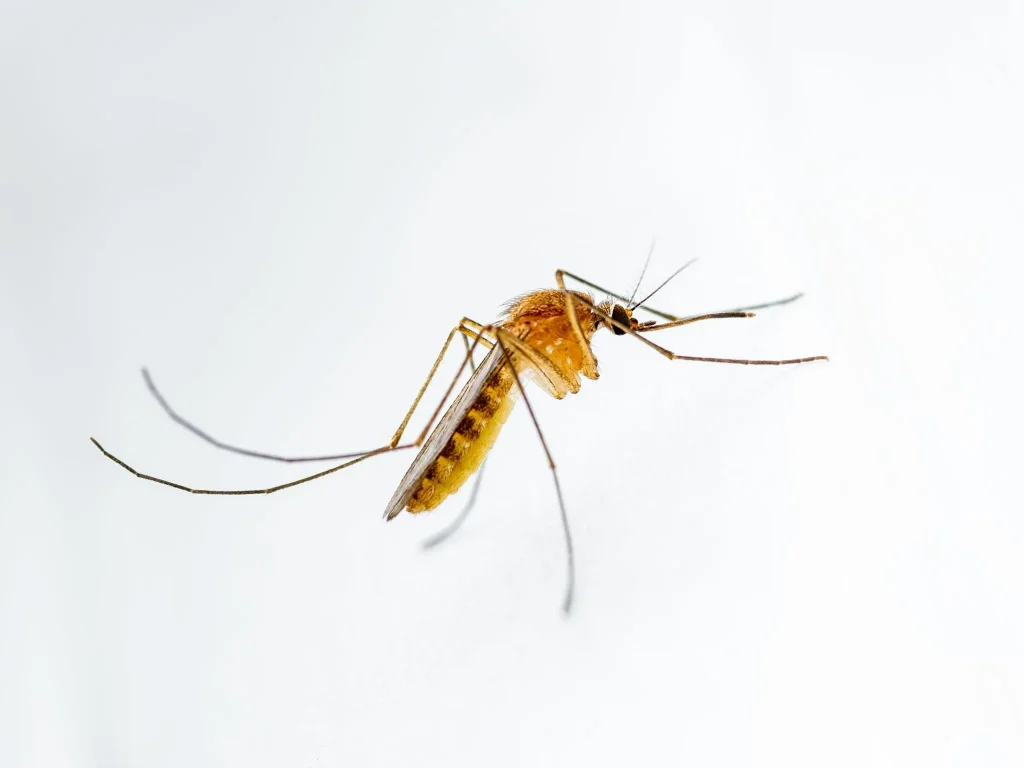
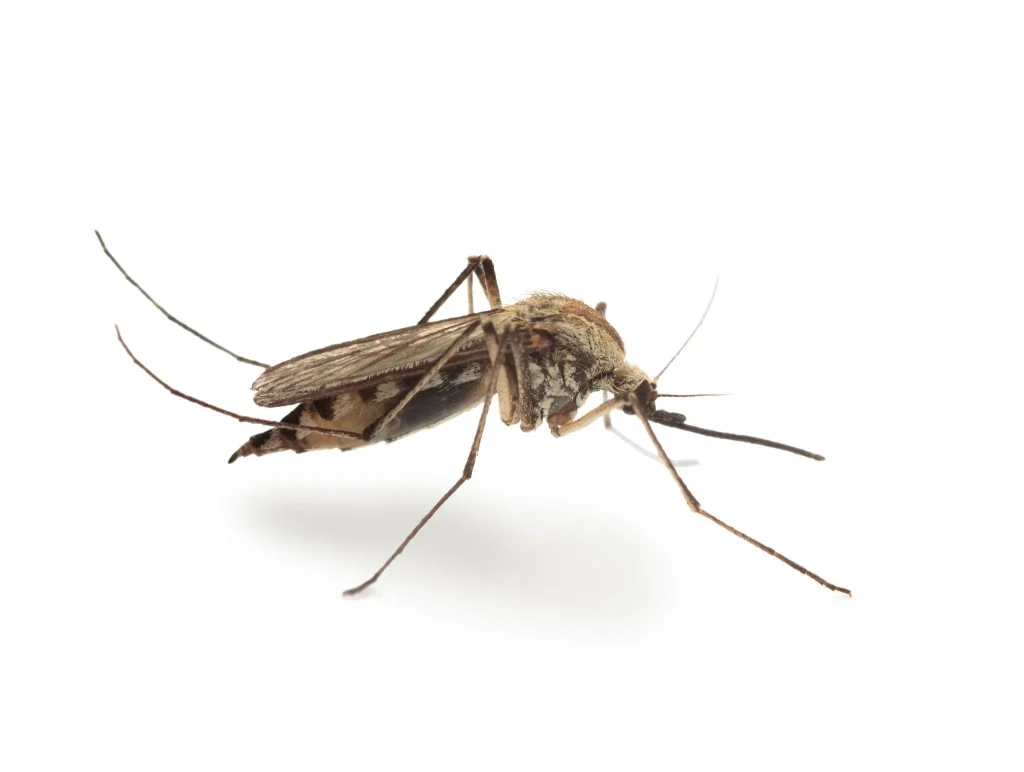
Culex mosquitoes are among the most widespread mosquitoes in tropical regions and are often responsible for the persistent buzzing many people notice after sunset.
Compared with Aedes, they have a plain brown appearance without the distinctive white stripes.
Key characteristics:
Although many Culex bites are simply irritating, large populations around a property usually indicate nearby standing water that should be investigated.
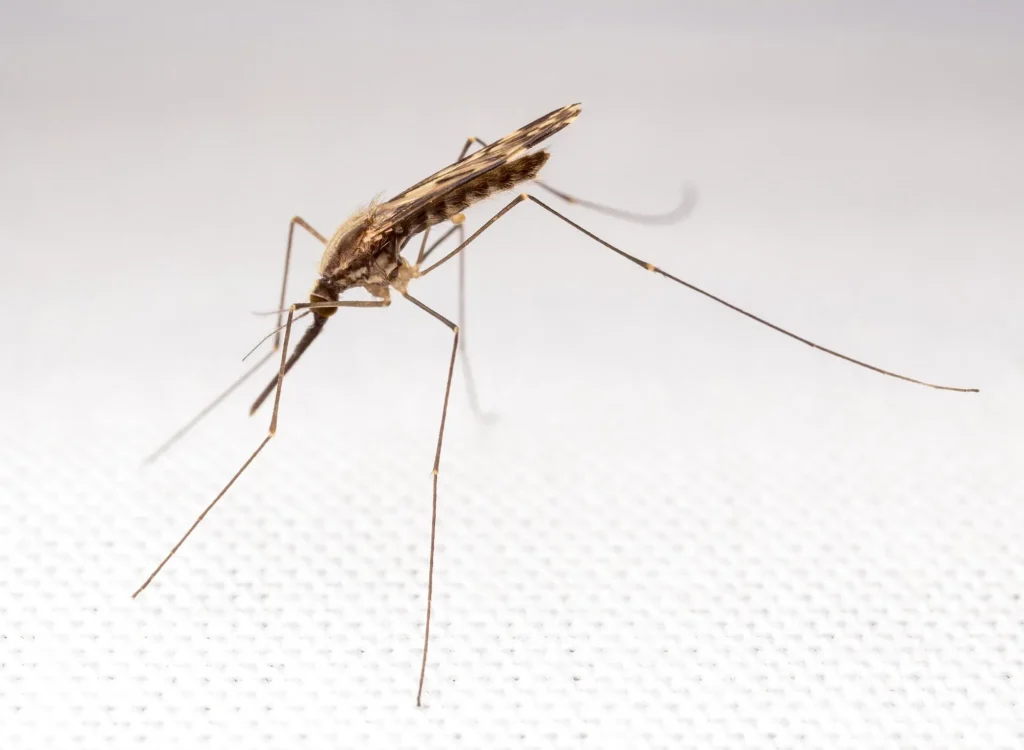
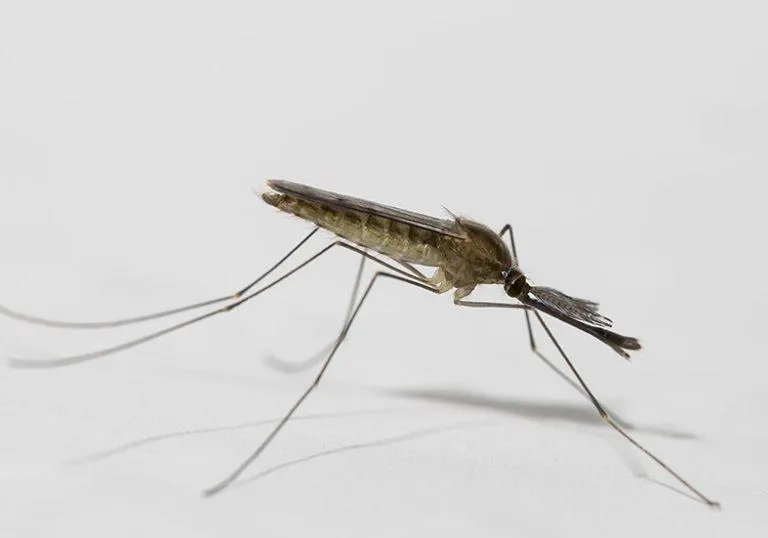
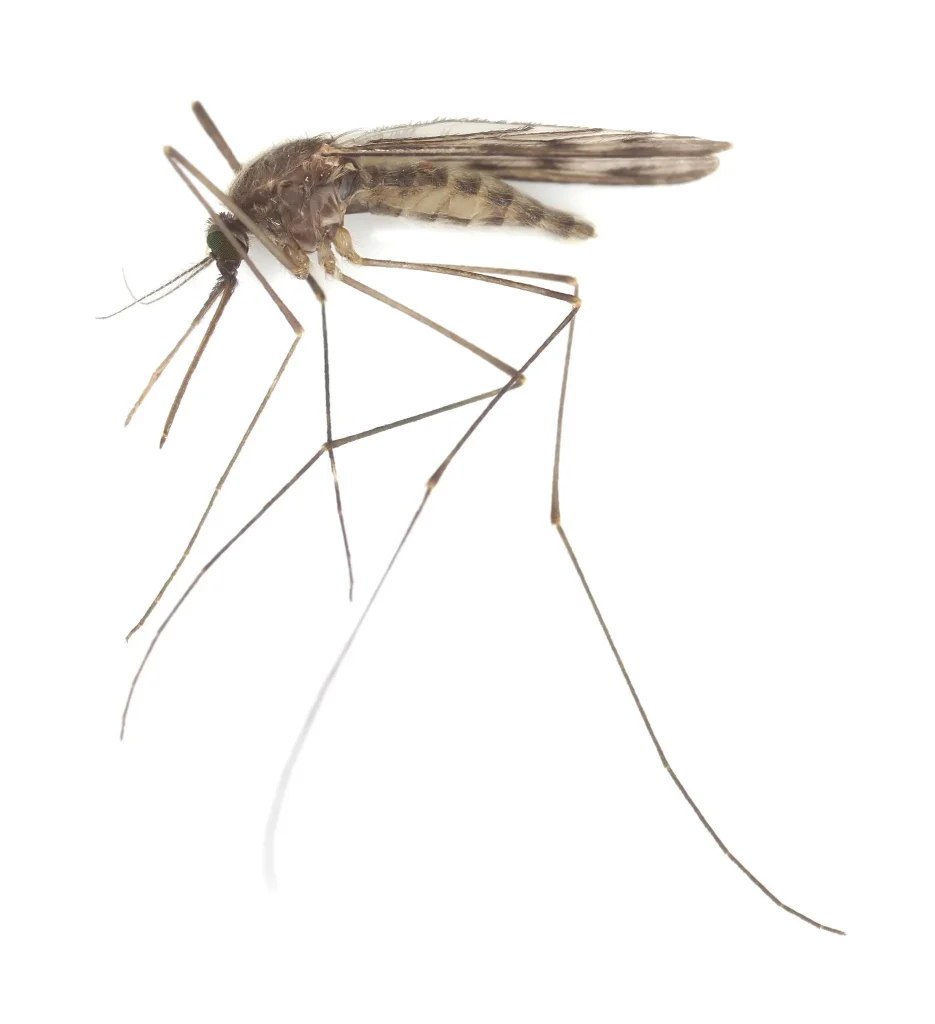
Anopheles mosquitoes are less common in Bali’s urban and tourist areas but are still found in some rural environments.
They are best known worldwide as the mosquitoes capable of transmitting malaria.
One distinctive feature is their resting posture. Unlike most mosquitoes, which rest parallel to a surface, Anopheles typically holds its body at an upward angle.
Key characteristics:
Although malaria risk in Bali is relatively low compared with some other Indonesian provinces, recognizing Anopheles helps explain why mosquito prevention remains important when travelling beyond the island’s main tourist destinations.
The type of mosquito you’re most likely to see depends largely on where you live or stay in Bali. Climate, surrounding vegetation, nearby water sources, and property design all influence which species become most common.
If you’re staying in a villa with tropical gardens, a swimming pool, or ornamental plants, Aedes mosquitoes are the species you’re most likely to encounter.
Because they breed in small containers of clean, stagnant water, they often thrive around homes where water collects unnoticed after rain or routine watering.
Common breeding sites include:
Regular property maintenance can significantly reduce these breeding opportunities.
Properties surrounded by rice paddies, irrigation canals, or natural wetlands often experience more Culex mosquitoes, particularly after sunset.
These environments provide ideal breeding conditions because they contain larger bodies of standing or slow-moving water.
While it’s impossible to eliminate mosquitoes from these landscapes, reducing standing water around the immediate property and using personal protection during the evening can greatly improve comfort.
If you’re exploring Bali’s less-developed regions or travelling to other Indonesian islands, you may occasionally encounter Anopheles mosquitoes.
Although malaria risk in Bali itself remains relatively low, it’s still wise to use insect repellent, wear appropriate clothing after dark, and follow local health advice when visiting rural or forested areas.
Fortunately, most people don’t need to tell mosquito species apart every time they hear a buzz.
Instead, focus on understanding their behavior.
Ask yourself:
These simple observations are often more useful than trying to identify every mosquito by appearance.
The good news is that the same basic principles apply to all mosquito species: reduce breeding sites, protect yourself from bites, and maintain your property to make it less attractive to mosquitoes.
Mosquitoes are part of everyday life in Bali, but they’re far from all being the same.
Understanding the differences between Aedes, Culex, and Anopheles helps explain why mosquito activity varies from one location to another and why prevention strategies sometimes need to be different.
For most residents and visitors, the most important takeaway is simple: mosquitoes don’t appear by chance. They breed where conditions allow them to thrive.
By recognizing the habitats each species prefers and removing breeding sites whenever possible, you can reduce mosquito activity around your home while lowering the risk of mosquito-borne diseases.
Knowing which mosquitoes live in Bali won’t eliminate every bite—but it will help you make smarter decisions about protecting yourself, your family, and your property.
The primary carrier of dengue fever in Bali is the Aedes mosquito, particularly Aedes aegypti. It is most active during the early morning and late afternoon and commonly breeds in clean, stagnant water around homes.
Culex mosquitoes are the most common nighttime biters. They are frequently found near drains, ponds, canals, and rice fields.
Malaria is relatively uncommon in Bali compared with several other regions of Indonesia. However, Anopheles mosquitoes are present in some rural areas, so mosquito protection remains advisable when travelling outside major tourist destinations.
Yes, to some extent. Aedes mosquitoes have distinctive white stripes, Culex mosquitoes are plain brown, and Anopheles mosquitoes are known for their angled resting posture. However, their behavior and habitat are often easier indicators than appearance alone.
For most villas and residential properties in Bali, Aedes mosquitoes are the species most commonly encountered because they breed in small collections of clean water around homes and gardens.