Address:
Jl. Kebo Iwa II Gg. Batu Sunia, Padangsambian Kaja, Kota Denpasar
Working Hours:
Monday–Friday: 8:00 AM – 5:00 PM
Saturday–Sunday: 8:00 AM – 3:00 PM


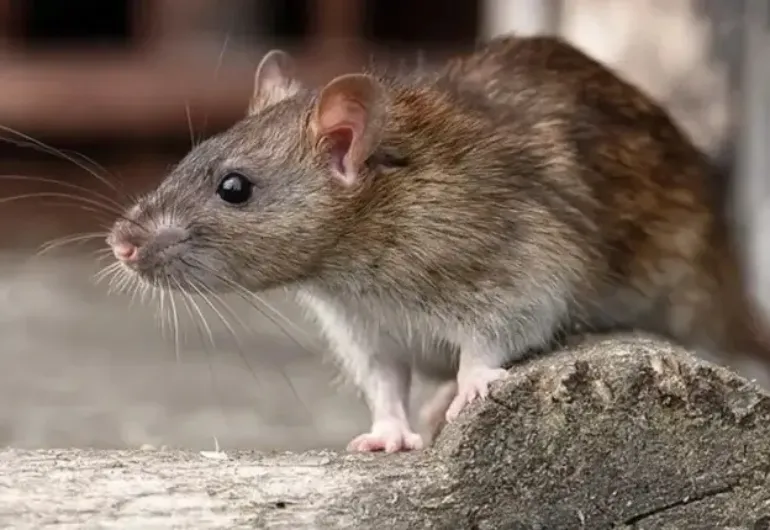
Why do rats enter Bali homes, and why do they keep coming back? Learn how modern rat control combines exclusion, sanitation, monitoring, trapping, and targeted baiting—and whether rat poison or natural repellents are really necessary.
 ByAriastra
Seeing a rat inside your Bali home can be unsettling, especially if you’re renting a villa or have recently moved to the island. The natural reaction is usually simple: get rid of it.
But modern rodent control is becoming less about simply killing rats and more about understanding why they entered in the first place—and why they keep coming back.
For homes and villas in Bali, this distinction matters. Tropical vegetation, open-air architecture, drains, gardens, food waste, and gaps around roofs and pipes can create an environment where rats can move easily between the outside and inside of a property.
The goal isn’t to make every rat in the neighborhood disappear. The goal is to make your property a place they no longer want or need to enter.
Rats don’t normally enter a house because they are interested in living with humans. They enter because the property offers some combination of food, water, shelter, and easy access.
A Bali villa can provide all four.
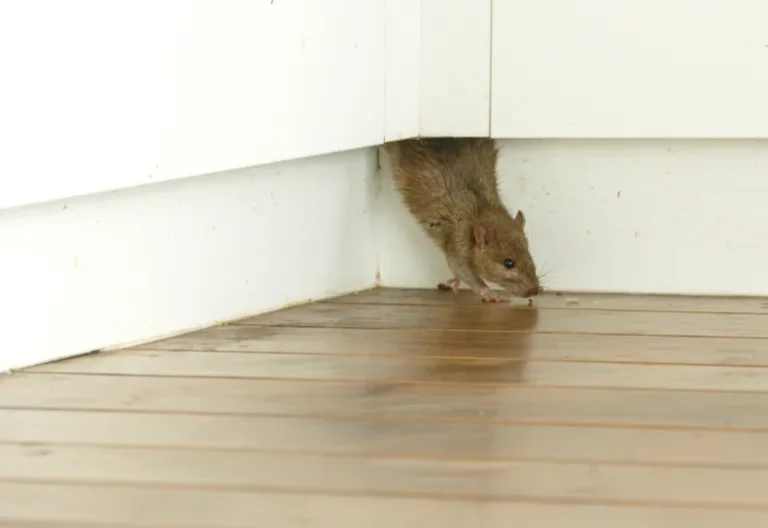
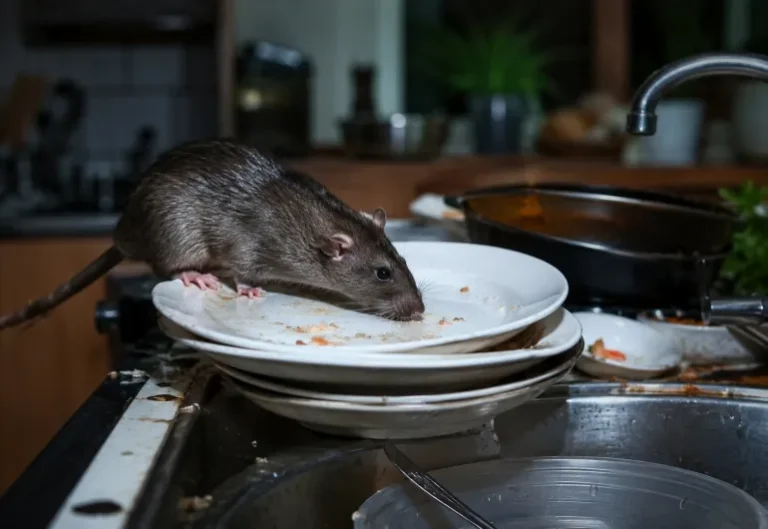
An outdoor kitchen may leave food scraps behind. Pet food may remain available overnight. A leaking pipe can provide water. Dense vegetation can create shelter close to the building, while roof spaces, ceilings, storage areas, and drainage systems provide protected routes.
The architecture of tropical homes can also make access easier. Open terraces, roof voids, gaps around plumbing, drains, and doors that open directly onto gardens can create opportunities for rodents to move indoors.
The first question, therefore, shouldn’t be:
“How do I kill this rat?”
It should be:
“Why did this rat choose my property?”
That question leads to a much more effective solution.
There is an important distinction here.
Rats living around human properties can create genuine problems. They can contaminate food, damage electrical wiring and structures, and carry organisms that can cause disease. The CDC recommends controlling rodents by removing food, water, and shelter and preventing access to buildings.
But rodents as a group also have ecological roles. Small rodents can act as seed predators, seed movers, and prey for other animals. Their ecological importance does not mean we should tolerate rats inside kitchens or ceilings. It means the objective of pest management should be targeted control, rather than indiscriminate poisoning of wildlife.
This is the basic thinking behind Integrated Pest Management, or IPM.
Instead of relying on one treatment, IPM combines inspection, exclusion, sanitation, monitoring, trapping, and—when necessary—carefully targeted pesticide use.
The aim is to keep rodent activity below a level that creates a meaningful problem.
This is one of the most frustrating things about rat problems.
You catch a rat. A few weeks later, another one appears.
It can feel as though the treatment didn’t work.
Often, the problem is not the treatment itself. It’s the environment around the property.
If a rat is removed but an entry point remains open, another rat can use the same route. If food waste remains accessible, the property continues to offer a reason to visit. If vegetation, drainage channels, roof spaces, or neighboring waste areas provide shelter, removing one animal does not remove the conditions attracting others.
In other words:
Removing rats is not the same as removing the reason rats come.
This is why professional rodent management usually starts with an inspection rather than immediately placing poison.
The technician should be looking for movement routes, food sources, nesting areas, droppings, gnaw marks, and structural gaps.
Imagine a typical villa in South Bali.
The owner notices scratching sounds above the ceiling at night. A few droppings are later found near the kitchen.
A conventional reaction might be to place rat poison.
A modern approach would begin differently.
First, inspect the property. The technician discovers a gap around a roof penetration and another opening near a utility pipe. Outside, dense vegetation touches the roof, while an uncovered waste container is located near the kitchen.
Now the problem makes more sense.
The rat has food, shelter, and several ways to enter the building.
The solution is therefore not simply “kill the rat.”
The property should be made less attractive and less accessible. Food waste is secured, vegetation is managed, entry points are sealed with appropriate materials, and traps are positioned along established routes. Monitoring then determines whether activity actually declines.
This is a case-study model, rather than a report of a specific Ecoforpest customer.
The approach is particularly relevant in Bali because rodent activity is not simply theoretical. Research in dense settlements in South Denpasar has documented several Rattus species around homes and identified a potential leptospirosis risk associated with the local rodent population.
No.
Rodenticide is one tool—not the definition of rat control.
For a small, clearly identified problem, exclusion and trapping may be sufficient. The CDC recommends traps when there is evidence of rodents and emphasizes sealing entry points to prevent new animals from entering.
Poison can become useful when rodent activity is extensive, difficult to access, or occurring in areas where trapping alone is unlikely to provide adequate control.
But rodenticides come with additional risks.
A poisoned rat can die somewhere inaccessible, such as inside a ceiling or wall. Some rodenticides are also highly toxic to non-target animals. Secondary exposure can also be a concern when predators or scavengers consume poisoned rodents.
For that reason, if rodenticide is used, it should be part of a planned control program and placed in appropriate, tamper-resistant bait stations—not scattered around a property.
The modern question is therefore not:
“Is poison good or bad?”
It is:
“Is poison actually necessary for this particular situation?”
This is where things become more complicated.
You will find plenty of advice online recommending peppermint, eucalyptus, cloves, ammonia, vinegar, or other strong smells.
Some research does support the idea that certain plant oils can have repellent effects. For example, laboratory research has demonstrated a repellent effect from eucalyptus oil against house rats (Rattus rattus).
But there is a major difference between repelling a rat temporarily in a controlled experiment and keeping rats away from an entire Bali property.
Smells fade. Rain washes them away. Outdoor airflow disperses them. Rats can also become accustomed to repeated environmental cues.
So, can a strong smell help?
Possibly, as a supplementary deterrent.
Can peppermint oil or another scent permanently solve a rat infestation?
There is not strong enough evidence to treat it as a standalone solution.
I would therefore never recommend relying on essential oils instead of sealing entry points, removing food sources, and monitoring rodent activity.
Modern rodent management increasingly combines several technologies and methods.
The property is inspected for entry points, food sources, nesting areas, and movement routes.
Gaps around roofs, doors, pipes, drains, walls, and utility penetrations are sealed using materials that rats cannot easily chew through.
Food waste, pet food, standing water, clutter, vegetation, and other attractants are managed.
Traps are positioned where rat activity has actually been observed rather than randomly placed around the property.
For commercial properties, newer systems can use connected traps and sensors to report captures or activity remotely. This allows technicians to respond to actual rodent activity rather than simply checking empty traps on a schedule.
If rodenticide is justified, it can be deployed through controlled bait stations rather than used indiscriminately.
This is what makes modern control different from simply “putting down rat poison.”
It is a feedback loop:
Inspect → Prevent → Monitor → Control → Reinspect
If you live in Bali, seeing a rat outside your property is not necessarily a sign of an infestation.
But repeated sightings inside the home, fresh droppings, scratching sounds, gnaw marks, or a persistent smell are reasons to investigate.
The most effective long-term solution is rarely a single product.
It is a property where food is difficult to access, shelter is limited, entry points are closed, and rodent activity is monitored.
That approach also reduces the need to use poison unnecessarily.
For homeowners and expats, this is an important shift in thinking:
Don’t just ask how to kill the rat. Ask why the rat keeps choosing your home.
Once you solve that part of the problem, rat control becomes much more predictable—and much more sustainable.